Clinical Systems
Clinical systems define how dental implant treatment is planned and delivered—from analysis to execution—through digital planning, technology, and coordinated teams.
Precision Implantology
The system is built on the following clinical components:
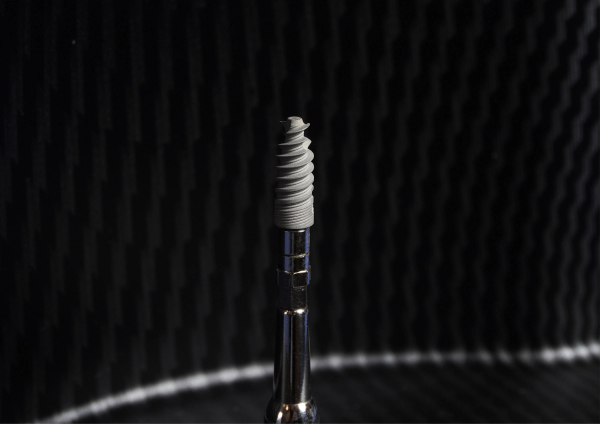
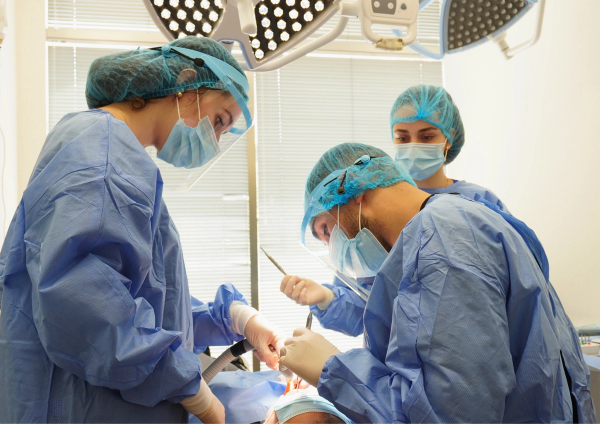
Advanced implantology is a structured approach to replacing missing teeth with dental implants, using digital planning to ensure safety, function, and long-term stability. Implant placement is not treated as an isolated procedure. Each case is evaluated within a complete clinical framework, considering bone conditions, anatomy, bite forces, and the final restoration. Treatment is defined only after full clinical and radiological analysis. The goal is not speed, but predictable, stable, and long-lasting results.
Full-Arch Rehabilitation
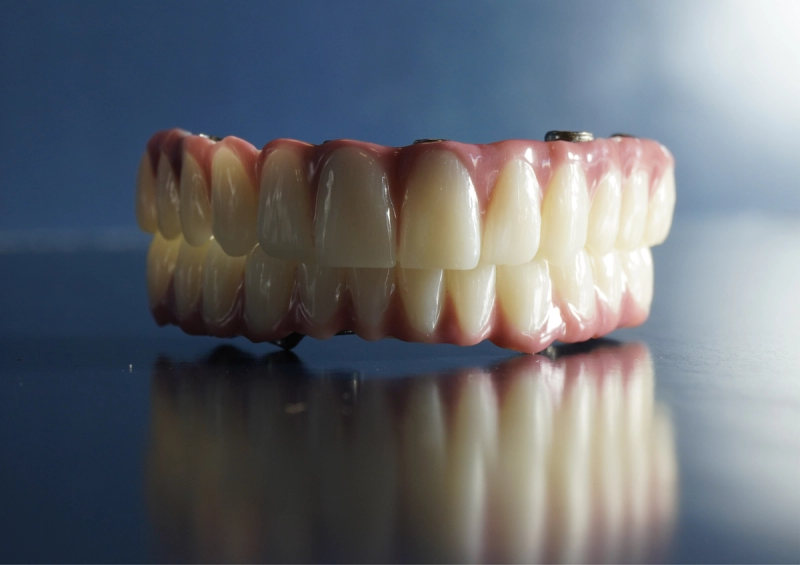
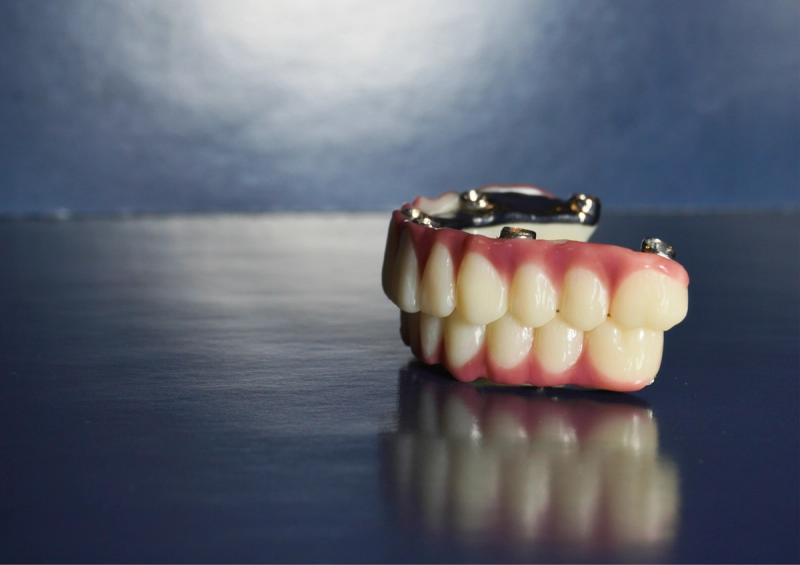
Full-arch rehabilitation is a comprehensive approach to restoring an entire dental arch with implant-supported teeth, improving function, stability, and long-term comfort. This approach includes:
The focus is on restoring chewing efficiency, functional balance, and long-term comfort. Rather than replacing teeth individually, this system restores the relationship between bone, dental implants, prosthetics, and bite dynamics. Each case follows a clearly defined protocol, developed after evaluating bone conditions, functional requirements, and biomechanical balance.
Smile Architecture
Smile architecture combines digital smile design and aesthetic dentistry to create natural, balanced results guided by structure rather than trends. It is developed through a series of coordinated design and analysis elements:
Planning focuses on proportion, alignment, and harmony while respecting individual anatomy, facial dynamics, and functional requirements. Aesthetic decisions are always aligned with structural support and bite stability, ensuring that the final result is not only visually refined but also functionally sound. The objective is a natural-looking smile that remains stable, balanced, and appropriate over time.
Digital Planning & Lab Integration
Digital planning defines how dental treatments and implant procedures are designed before they are performed. This process combines:
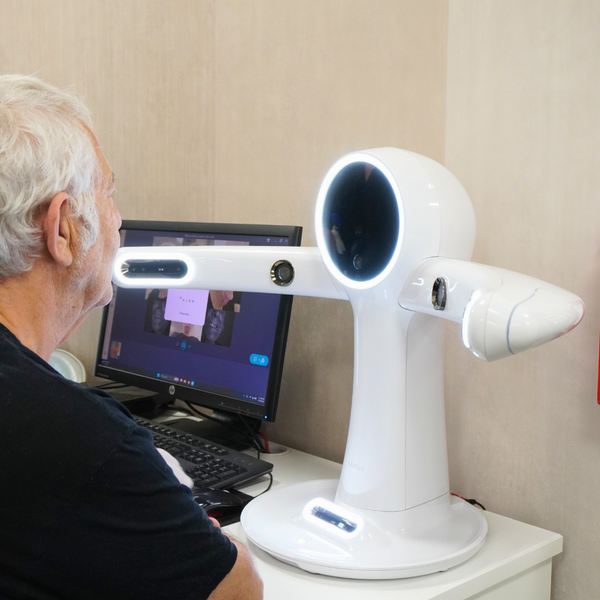
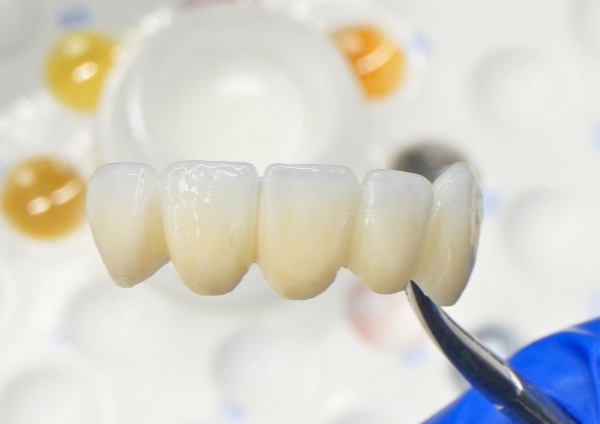
Using 3D imaging, intraoral scanning, and facial analysis, clinical data is integrated into a single system that allows precise planning, coordination, and predictable outcomes. Technology is used to reduce uncertainty and improve accuracy, not to standardize care. Each treatment is planned based on real anatomical data, ensuring safe implant positioning, accurate restorations, and alignment with facial structure. An in-house dental laboratory ensures full control over design, production, and refinement. Clinicians and technicians work within the same workflow, allowing real-time collaboration, consistent execution, and precise adaptation when needed. The result is a fully coordinated treatment process, from diagnosis to final restoration, designed for accuracy, efficiency, and long-term stability.
Every system. One philosophy.
Ready to begin?
Schedule Consultation→